
Successful difficult conversations

Author: Sonia Gill

As the school year comes to an end, it’s worth pausing for a moment. Over the past few weeks, I’ve been sharing one simple idea: Your environment is always saying something. So before the summer break, here's one simple reflection
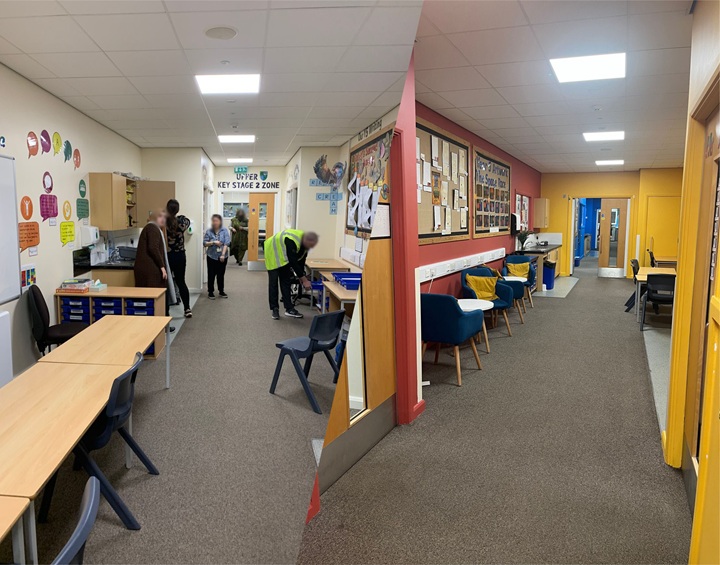
When a child needs extra help… Where do they go? What does that space say? Environment can imply 'second best' — without us meaning to. Here's a simple way to look at your intervention spaces differently.
“The environment of both my schools has changed beyond recognition.” That’s what one executive head told me after an environmental walk. Not after a big refurbishment. Not after spending a large sum. Just after looking at the school differently.
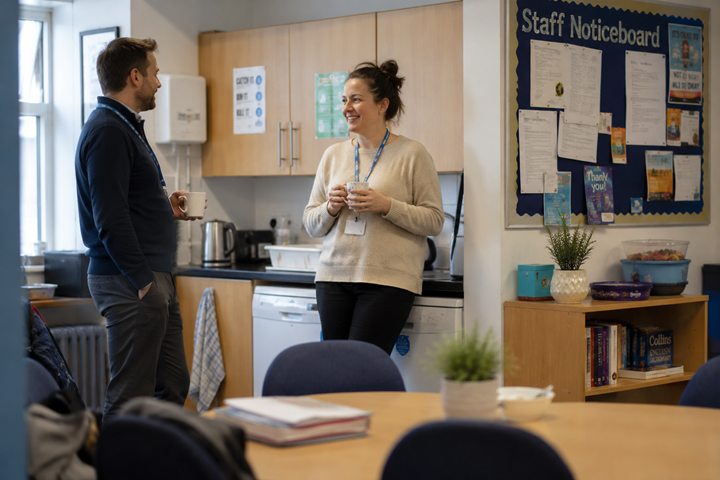
“I used to avoid the staffroom on purpose.” A head said this to me. She didn’t want to intrude. She wanted it to feel like their space. But one day, she really looked at it. Old sofa. Cluttered surfaces. A noticeboard layered with old messages. “Nothing awful,” she said. “But it didn’t reflect how highly I think of my staff.”
You can tell a lot about behaviour from an empty classroom. No children. No adults. Just the room. Chairs tucked in — or left out. Books neat — or scattered. Trays organised — or half open. No one has said a word. But the room has.
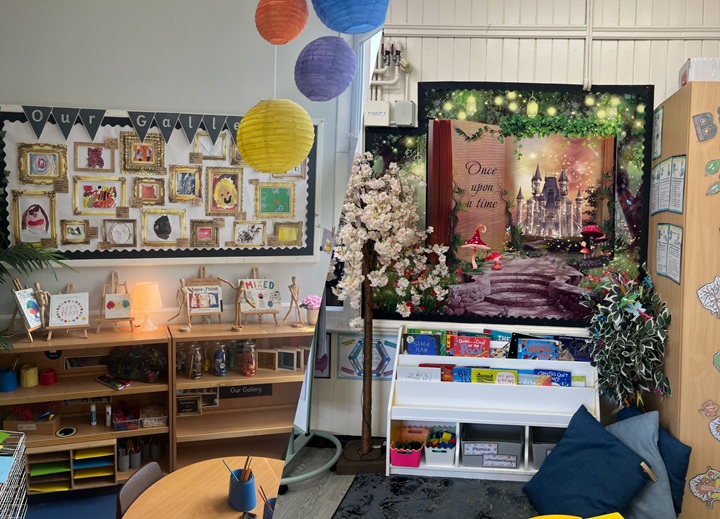
Every school I’ve met wants to give their children a love of reading. That’s great. What a gift. But sadly, most schools don’t look like they do. If a child walked into your classroom and looked only at the books… What would they see? Books facing out, inviting them in?
“I’d stopped seeing it.” A head said this to me about her school environment. Not because she didn’t care. Not because standards had dropped. She’d just been there a long time. Same corridors. Same classrooms. Every day. And over time, things had become… normal.
What is your school environment saying right now? Not what you intend it to say. What is it actually communicating — to pupils, staff and visitors? Because environment is never neutral. It’s always telling a story: • what matters • what’s expected • what’s tolerated And the challenge? We get used to it.
It’s half term. Resignation season is here. Some notices may have landed. Others you’re still waiting on. If it feels a bit heavy, that’s normal. But movement in schools isn’t new — what matters is how we respond.
When your strongest teacher leaves… what then? Every school has that person. The one who carries huge knowledge. The one you hope doesn’t hand their notice in. But here’s a leadership question: If they left tomorrow, would the school wobble? Or would it carry on calmly? I’ve written about a simple shift that turns dependency into strength — without undermining the brilliant people you value.